
Director: Rose Glass
Cast: Morfydd Clark, Jennifer Ehle, Lily Frazer
Review Author: Tony
Synopsis: Maud, a withdrawn and religiously devout young nurse is assigned to the hospice care of Amanda, a retired dancer and socialite, who has been diagnosed with cancer. As Maud views Amanda’s views and lifestyle as impure, she becomes inspired to save Amanda’s immortal soul at all costs.
“Saint Maud” stands as a fascinating and riveting entry in a category of horror films that has seen a decline in recent decades: religious horror. This genre of cinema is celebrated for its nuanced exploration of fanaticism and the shadowy corridors of faith. In her directorial debut, Rose Glass deftly navigates this prickly subgenre, presenting a film that transcends traditional scares, opting instead for a profound unraveling of the human psyche.
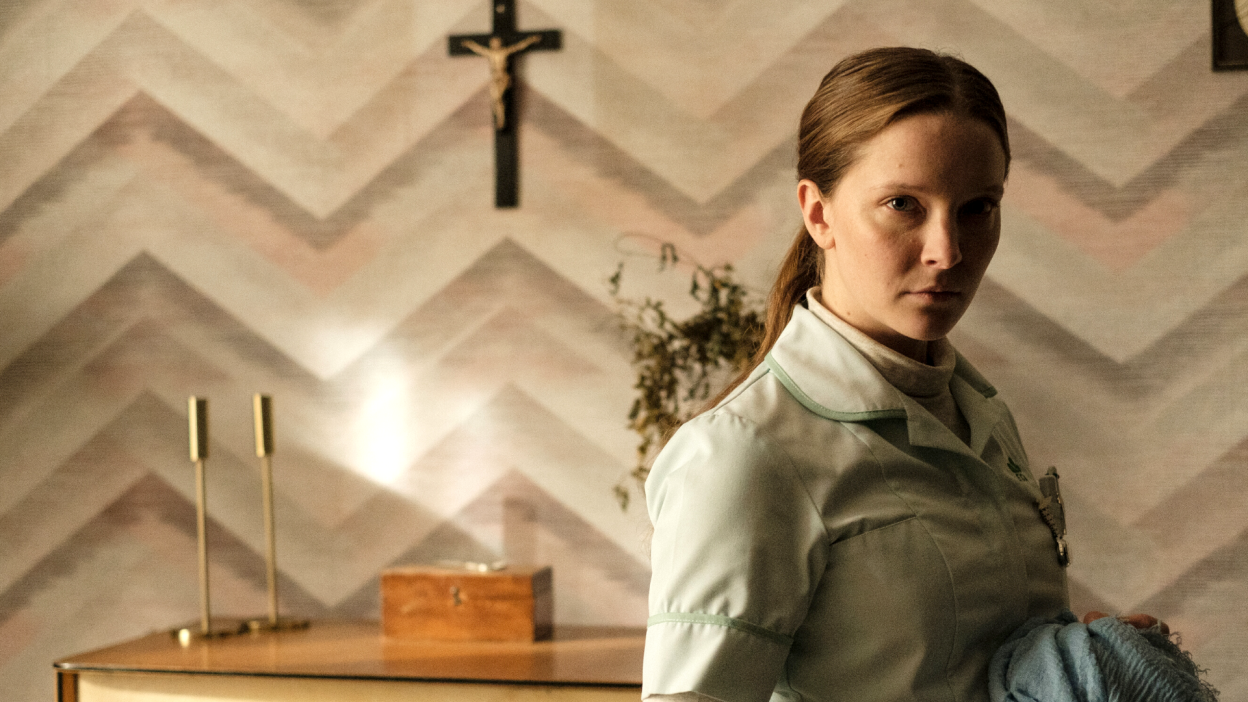
Much of the movie operates as an allegory for misguided piety, interlacing themes of guilt, divinity, and delusion into its narrative. Glass constructs a story that delves into the complexities of religious fervor, revealing how it can morph into a breeding ground for obsession and the erosion of sanity. Morfydd Clark delivers a stellar performance, acting as the conduit for these multi-layered themes.
One standout element of the film is its innovative manipulation of perspective. Through the clever use of a point-of-view (POV) approach, viewers are granted an intimate insight into the lead character’s unraveling psyche. This technique blurs the line between reality and the protagonist’s increasingly fractured perception, creating an immersive experience that heightens the sense of foreboding.
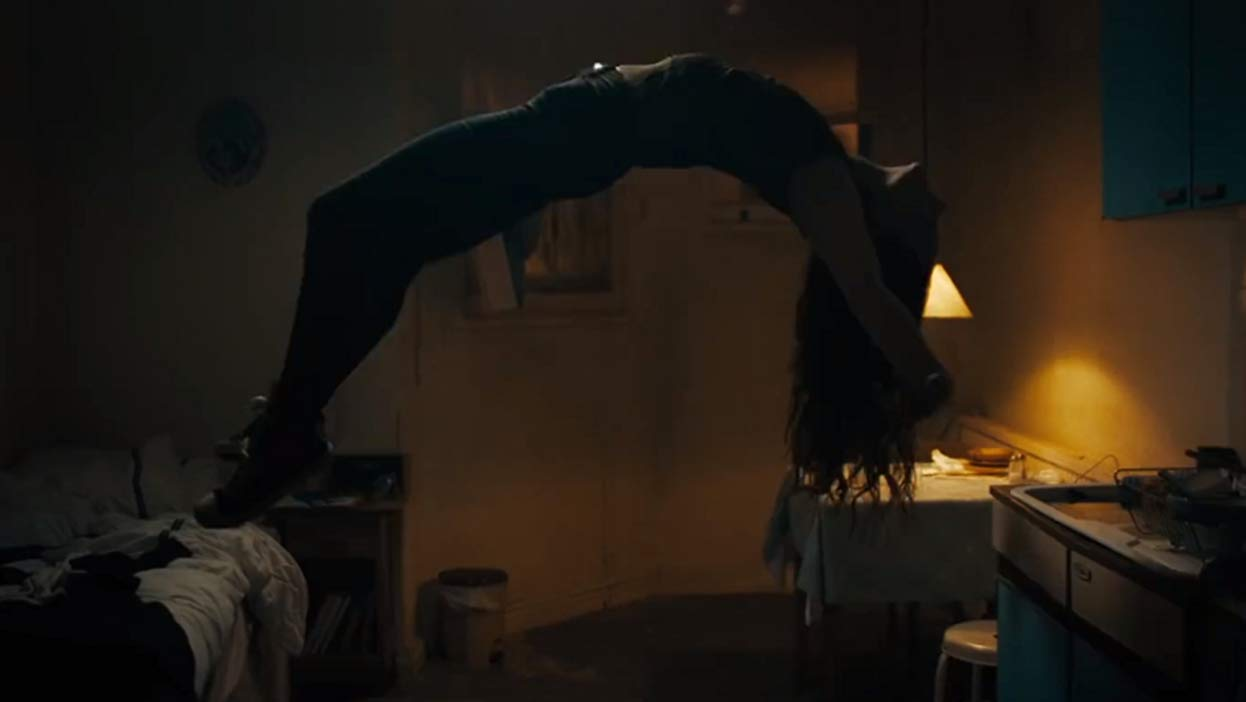
The technical brilliance of “Saint Maud” lies within its sound design and cinematography. The film’s score, intricately interwoven with haunting visuals, plays a pivotal role in establishing a chilling atmosphere and a consistent sense of dread. The collaboration between the composer, Adam Janota Bzowski, and cinematographer, Ben Fordesman, is praiseworthy, as they craft this unnerving and foreboding tone throughout the film that compensates for the film’s lack of scares or shocking imagery.
Rose Glass’s debut in the director’s chair establishes her as an exciting and unique voice for genre filmmaking (“Love Lies Bleeding” is one of my most anticipated films of 2024). “Saint Maud” goes beyond the superficial trappings of jump scares, opting for a more profound exploration of the human psyche within the context of religious obsession. The film’s thematic depth, coupled with its music and imagery, establishes it as a noteworthy entry in the realm of both psychological and religious horror. With one of the most chilling final images in recent years, “Saint Maud” is a film I won’t soon forget.
Rating:
Talking Spiders

 Reel Time Flicks